
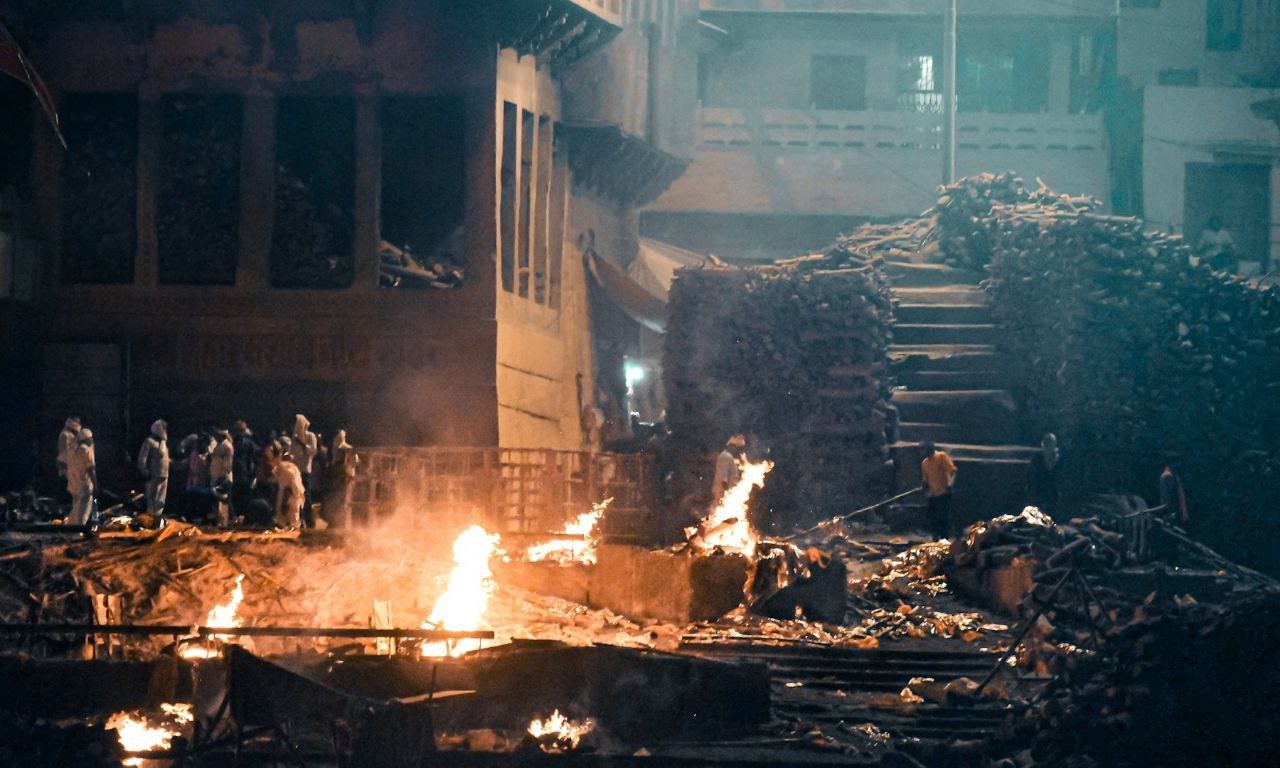
Harishchandra Ghat – The Eternal Symbol of Life and Death in Varanasi
Located on the banks of the holy River Ganga in Varanasi, Harishchandra Ghat is one of the most significant and sacred ghats in the city. It is known as the site of cremation where the bodies of the deceased are brought to be cremated. The ghat holds a special place in the hearts of Hindus due to its strong spiritual and historical significance. It is named after the legendary King Harishchandra, whose dedication to truth and justice is an important part of Indian mythology.
The Legend of King Harishchandra
According to Hindu mythology, King Harishchandra was known for his unwavering commitment to truth and justice. The story goes that in a test of his devotion to truth, the gods decided to challenge him. King Harishchandra was forced to sell his kingdom, his wife, and even his son in order to uphold his vow of truthfulness. Ultimately, he ended up working as a crematorium keeper in Varanasi. It is said that after his death, Harishchandra was rewarded by the gods for his extraordinary devotion to dharma (righteousness).
As a tribute to the king’s sacrifice, Harishchandra Ghat was established, and it is said that the ghat serves as a place where devotees can perform the last rites of their loved ones and achieve moksha (liberation from the cycle of life and death).
A Place of Final Rest
Harishchandra Ghat is one of the most important cremation ghats in Varanasi. The ghat holds a deep spiritual connection, where the souls of the departed are believed to attain eternal peace. Here, the funeral pyres burn day and night, as families bring their loved ones to fulfill the sacred rites. It is said that those who are cremated at Harishchandra Ghat will be liberated from the cycle of rebirth and attain moksha, which is the ultimate goal of life in Hinduism.
The presence of the Ganga adds to the sanctity of the ghat, as the river is believed to purify the soul and provide salvation. The water from the Ganga, when poured on the body of the deceased, is believed to help the soul ascend to the heavens.
The Spiritual Experience
While Harishchandra Ghat is primarily a cremation site, it is also a place of spiritual reflection. Many pilgrims and spiritual seekers visit the ghat to witness the rituals, understand the cycle of life and death, and seek inner peace. The sight of the funeral pyres burning in the presence of the Ganga offers a profound understanding of the transient nature of life.
Despite the atmosphere of mourning, there is also a sense of peace and acceptance at Harishchandra Ghat, as visitors are reminded of the impermanence of life and the certainty of death. The rituals performed here embody the belief in the continuity of the soul and the importance of performing one’s duties in life according to dharma.
The Rituals at Harishchandra Ghat
Harishchandra Ghat has its own set of customs and rituals. The cremation process typically begins with the body being washed and dressed in simple clothing. The priest performs specific rites, including chanting mantras, before the body is placed on a pyre and set alight. The family members often walk around the pyre three times, performing rites of passage before the body is cremated.
The eternal flame at Harishchandra Ghat continues to burn, symbolizing the everlasting presence of life and the journey of the soul.
Conclusion
Harishchandra Ghat is more than just a cremation site; it is a place where the cycle of life, death, and rebirth is understood, and where the ultimate goal of moksha can be achieved. For those who visit Varanasi, this ghat offers an unforgettable and soul-stirring experience, highlighting the eternal dance between life and death.